

Dav Pilkey Sees ADHD and Dyslexia as Superpowers
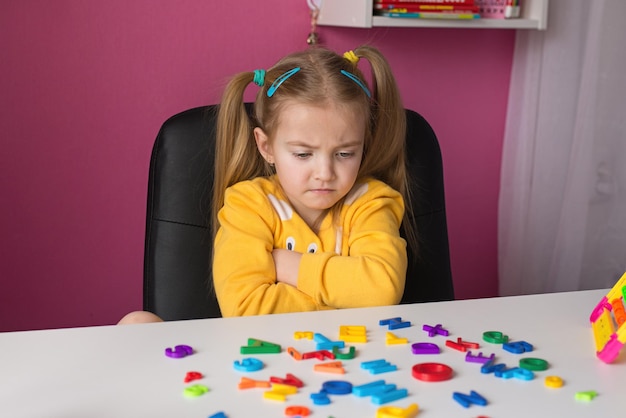
Many parents worry when their child struggles with reading, focus, emotions, or classroom behavior. It can feel heartbreaking watching a bright child begin to believe they are “bad at school” or somehow not good enough.
That is one reason the story of Dav Pilkey connects so deeply with families around the world. The creator of the famous Dav Pilkey books, like Captain Underpants and Dog Man, has openly shared how ADHD and dyslexia shaped his childhood.
Instead of seeing his learning differences as weaknesses, author Dav Pilkey now describes them as superpowers. His creativity, imagination, and unique thinking style eventually became the reason millions of children love his stories today.
For parents raising neurodivergent children, his journey offers something powerful: hope. It reminds families that children who learn differently are not broken. They simply need support, patience, and understanding to thrive.
Who Is Dav Pilkey and Why His Story Matters
Dav Pilkey is one of the most successful children’s authors in the world. His books are loved because they are funny, imaginative, emotional, and deeply relatable for many kids.
As a child, however, school was not easy for him. Dav Pilkey's ADHD struggles often caused him to get distracted, talkative, or restless during class.
He also experienced challenges connected to Dav Pilkey's dyslexia. Reading and writing tasks felt difficult at times, even though he was incredibly creative and intelligent.
His story matters because so many neurodivergent children face similar experiences today. Many children with ADHD or dyslexia feel misunderstood before adults recognize their strengths.
Why Dav Pilkey’s Story Inspires Parents
Parents often feel pressure to help children “catch up” academically. Dav Pilkey’s story reminds families that perfect grades or traditional learning styles do not always measure success.
His journey shows that creativity, imagination, humor, and emotional depth can become incredible strengths later in life. Children who struggle in school may still possess extraordinary talents.
Many neurodivergent children hear negative messages about themselves every day. They may start believing they are lazy, difficult, careless, or not smart enough.
Dav Pilkey’s success helps parents see a different perspective. A child who thinks differently today may grow into someone who changes the world tomorrow.
How ADHD and Dyslexia Affected Him as a Child
Dav Pilkey has shared that his hyperactivity often got him into trouble at school. Teachers sometimes sent him into the hallway because sitting still and focusing felt difficult.
Instead of wasting that hallway time, he started drawing characters and creating stories. That imagination later became the beginning of his famous books.
Children with dyslexia often struggle with reading fluency, spelling, or written expression. Yet many also show remarkable visual thinking and creativity.
ADHD can affect attention, emotional regulation in kids, impulse control, and organization. But ADHD strengths in children often include curiosity, passion, imagination, and innovative thinking.
ADHD, Dyslexia, and Creative Thinking

There is a growing conversation today around ADHD and dyslexia superpowers. While learning differences bring challenges, they can also shape unique ways of thinking.
Many children with ADHD are highly imaginative. Their brains often move quickly between ideas, helping them think creatively and solve problems differently.
Dyslexia and creativity are strongly connected for some children as well. Many visual thinkers process stories, pictures, emotions, and big ideas in remarkable ways.
Dav Pilkey's ADHD experiences are a powerful example of ADHD and creative thinking. The same imagination that once distracted him in school eventually helped build an extraordinary career.
Common Challenges Neurodivergent Children Face
Traditional classrooms are often designed for children who learn in structured and predictable ways. Neurodivergent children may struggle because their brains process information differently.
Many children with ADHD feel overwhelmed by long instructions, constant sitting, or noisy classroom environments. Children with dyslexia may become frustrated with reading-heavy tasks.
Emotional struggles are also common. Repeated correction, embarrassment, or comparison can slowly affect confidence for neurodivergent kids.
Some children begin masking their struggles or acting out emotionally because they feel misunderstood. Others quietly lose confidence while trying hard to “fit in.”
Common struggles neurodivergent children may face:
Difficulty focusing during lessons
Reading frustration and avoidance
Emotional outbursts after school
Low academic confidence
Sensory overwhelm in busy settings
Anxiety about making mistakes
Feeling misunderstood by adults
The Emotional Impact of Labels and Criticism
Words matter deeply to children. Labels like “lazy,” “disruptive,” or “careless” can stay with kids for years.
Many neurodivergent children already feel different from their peers. Constant criticism may increase shame, anxiety, or emotional withdrawal.
Children who are repeatedly corrected often stop believing in themselves. They may hide their creativity or avoid trying new things because they fear failure.
That is why encouragement matters so much. Supportive adults help children feel emotionally safe enough to grow, learn, and build confidence.
ADHD Hyperfocus Explained Simply
One misunderstood part of ADHD is hyperfocus. ADHD does not always mean children cannot focus. Sometimes they focus intensely on things they love.
A child may struggle to finish homework but spend hours building, drawing, storytelling, gaming, or creating imaginary worlds.
This deep concentration often appears when children feel emotionally connected to an activity. ADHD creativity frequently grows from passion and curiosity.
What does Dav Pilkey want to control through storytelling? In many ways, his books help children feel empowered, imaginative, and emotionally understood rather than judged.
How Parents Can Support Neurodivergent Kids

Parents do not need to be perfect to support neurodivergent children well. What matters most is helping children feel understood and accepted.
Children thrive when adults focus on strengths alongside challenges. Confidence grows when kids feel safe enough to be themselves.
Simple emotional support can make a huge difference. Calm conversations, encouragement, and patience often help children more than punishment or pressure.
The Secret Genius Project believes neurodiversity in children should be supported with compassion, emotional understanding, and confidence-building strategies.
Ways parents can build confidence at home:
Celebrate effort instead of perfection
Praise creativity and problem-solving
Allow movement breaks during learning
Support emotional regulation calmly
Encourage hobbies and imagination
Avoid negative comparison with siblings
Create predictable daily routines
Custom HTML/CSS/JavaScript
When Children Need Extra Emotional Support
Some neurodivergent children experience emotional exhaustion from constantly trying to meet expectations that feel difficult for them.
Parents may notice increased frustration, anxiety, emotional meltdowns, negative self-talk, or withdrawal from activities they once enjoyed.
Children with dyslexia or ADHD sometimes need extra support learning how to manage emotions, express frustration, and rebuild self-confidence.
Trusted educational resources like Understood.org can help parents better understand how to support children with ADHD, children with dyslexia, and children with emotional regulation challenges.
The Importance of Understanding Children Instead of Labeling Them
Every child deserves to feel valued for who they are, not only for academic performance. Understanding creates emotional safety for children.
When adults focus only on behavior problems, they may miss the deeper struggles beneath the surface. Many children are trying far harder than others realize.
Neurodivergent children often need connection before correction. Feeling emotionally supported helps them manage challenges more successfully over time.
Dav Pilkey's dyslexia and ADHD story reminds families that different minds often carry extraordinary gifts. With encouragement, children can grow into confident and creative adults.
How The Secret Genius Project Supports Neurodivergent Families

The Secret Genius Project supports families by helping parents better understand learning differences in children with compassion instead of fear.
Many parents feel overwhelmed navigating ADHD support, dyslexia concerns, emotional regulation struggles, or confidence issues. Families need reassurance as much as information.
By focusing on strengths, creativity, emotional growth, and confidence-building, The Secret Genius Project encourages children to embrace how they think and learn.
The goal is not to “fix” neurodivergent children. The goal is to help them feel capable, understood, and proud of who they are.
Conclusion
Dav Pilkey’s story is a powerful reminder that learning differences do not limit a child’s future. In many ways, his ADHD and dyslexia helped shape the imagination and creativity that made him successful.
Neurodivergent children may struggle in traditional classrooms, but they often bring incredible creativity, emotional insight, innovation, and unique thinking into the world.
When children receive patience, emotional support, and encouragement, their confidence begins to grow. They start seeing their differences not as weaknesses, but as part of what makes them special.
At The Secret Genius Project, families are reminded every day that neurodivergent children deserve understanding, compassion, and belief in their potential. With the right support, children can transform their challenges into strengths and thrive in extraordinary ways.
Frequently Asked Questions
Did Dav Pilkey have ADHD and dyslexia?
Yes, Dav Pilkey has openly shared that he grew up with both ADHD and dyslexia. He has explained that these learning differences helped shape his creativity, storytelling, and imagination.
Why does Dav Pilkey call ADHD and dyslexia his superpowers?
Dav Pilkey believes his ADHD helped him create exciting and imaginative stories, while dyslexia helped him choose words more carefully. His experiences taught him to think differently, which later became one of his greatest strengths.
Can children with ADHD be creative?
Yes, many children with ADHD show strong creativity and imagination. ADHD creativity often includes storytelling, problem-solving, artistic thinking, humor, and unique ways of seeing the world.
How does dyslexia affect children emotionally?
Children with dyslexia may sometimes feel frustrated, embarrassed, or less confident in school settings. With encouragement, patience, and emotional support, they can build strong confidence and recognize their strengths.
Why do neurodivergent children struggle in traditional classrooms?
Traditional classrooms are often designed for one learning style. Neurodivergent children may process information differently, need movement, struggle with sensory overload, or learn better through creativity and hands-on experiences.
What are some ADHD strengths in children?
Many children with ADHD are highly imaginative, energetic, curious, emotionally expressive, and creative. Some also develop strong hyperfocus abilities when working on activities they genuinely enjoy.
How can parents support children with ADHD and dyslexia?
Parents can support neurodivergent children by focusing on strengths, using positive encouragement, creating calm routines, and helping children manage emotional regulation challenges with patience and understanding.
What is hyperfocus in ADHD?
Hyperfocus is when a child with ADHD becomes deeply focused on something they enjoy or feel passionate about. This intense concentration is often connected to ADHD and creative thinking.
How does The Secret Genius Project help neurodivergent families?
The Secret Genius Project supports families by helping parents better understand ADHD, dyslexia, emotional regulation, confidence-building, and neurodiversity in children through compassionate and supportive guidance.


