
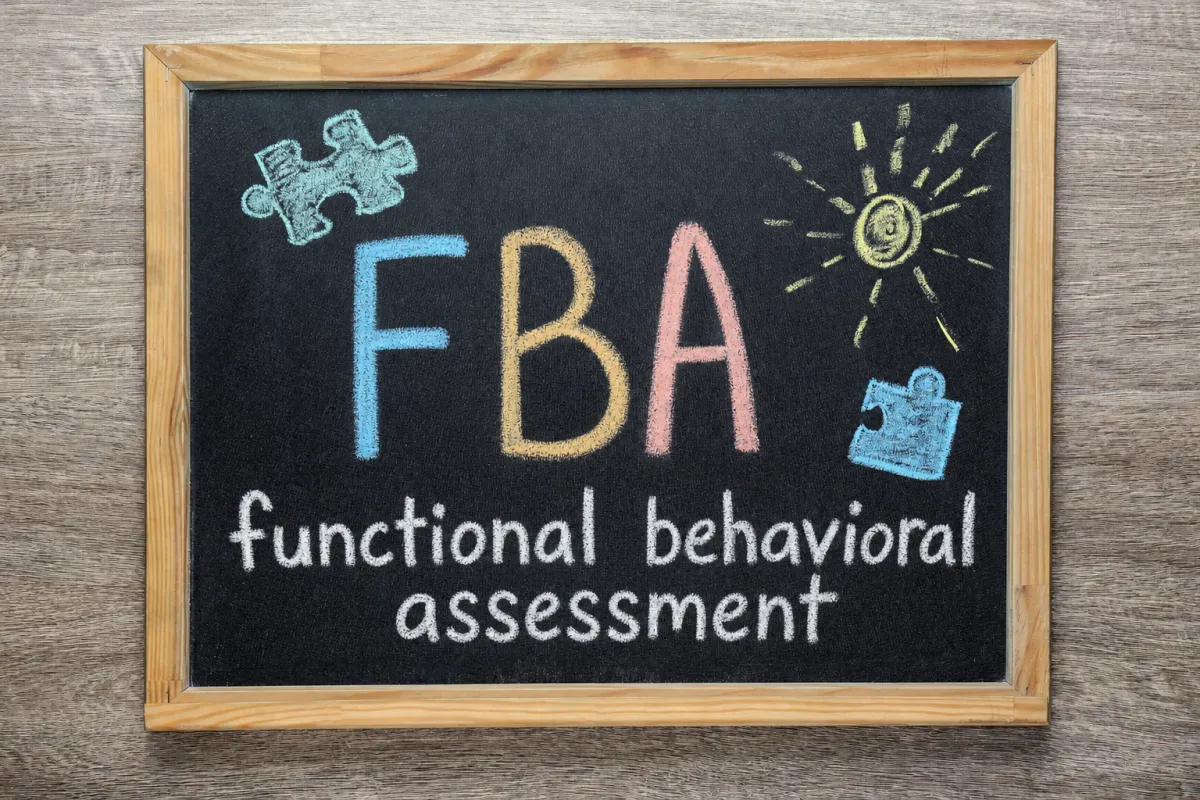
Understanding Functional Behavioral Assessments for Children
A Functional Behavioral Assessment, or FBA, is a powerful way to understand your child’s behavior. Instead of just trying to stop difficult or upsetting actions, it looks at why they happen.
When you know the reason, you can give your child the right support and help them succeed at home, school, and everywhere else.
During an FBA, trained professionals watch your child in different situations. They notice what happens before, during, and after certain behaviors.
Parents and teachers also share what they see. This helps uncover patterns and triggers so adults can respond in ways that actually support the child, rather than just punishing them.
The Secret Genius Project is here to guide families through this process. We help parents understand the results of an FBA and put them into action at home and at school.
With our support, you can feel confident in helping your child, and your child can feel safe, understood, and supported. Every step you take with The Secret Genius Project brings your child closer to thriving and reaching their full potential.
Understanding Functional Behavioral Assessments for Children
Raising a child can be full of surprises. Some days are happy and calm. On other days, your child may act in ways that are hard to understand. They might get upset, refuse to do things, or seem angry.
Sometimes children are called difficult or defiant. These words can feel hurtful. Most of the time, children are not being naughty on purpose. They are trying to show that something is hard for them.
A Functional Behavioral Assessment, or FBA, for children can help. It is a tool that helps parents and teachers understand why a child is acting a certain way. With this information, adults can give the child the right help.
The Secret Genius Project helps families understand children’s behavior. We offer support, guidance, and simple strategies that work at home and at school.
Common Signs Parents Notice
Children show challenging behavior in different ways. Some signs parents may notice include frequent tantrums or crying. Other children may refuse to do homework.
Some children have trouble moving from one activity to another. They may get very upset when it is time to stop playing or leave school. Other children act impulsively. They might shout, grab things, or interrupt others without meaning to.
Some children show anxiety or worry. They may feel scared to try new things or speak in class. Some children also have low self-confidence and avoid activities that seem hard.
All these behaviors are ways children communicate. They are telling adults something they need or do not understand. A child behavior assessment can help find out what these behaviors mean.
What Happens During an FBA
An FBA is a process for determining why a child behaves in certain ways. It is not a test. It does not label the child. It helps adults understand what is going on.
The first step is observation. Professionals watch the child at home or school. They look at what happens before, during, and after a behavior. They write down details to see patterns.
Parents and teachers may answer questions about the child. They share what they notice and how the child reacts to different situations. Sometimes the child may also share how they feel.
After gathering information, a plan is made. The plan helps the child with strategies to reduce stress and improve behavior. This plan is called a behavior support plan.
Tips to Help Your Child in School
Talk to teachers about your child’s behavior and needs.
Ask for a school behavior intervention plan if needed.
Make sure the strategies used at home and school are the same.
Share observations from home with the teacher to help them understand triggers.
Encourage small breaks during the school day for your child to calm down.
Celebrate successes, even small ones, to build confidence.
Behavior Is Communication
Children do not always have the words to explain how they feel. Their behavior is a way of talking to adults. A tantrum may mean they are frustrated or scared. Refusing to do schoolwork may mean the work feels too hard.
Some children act out because they need attention. Others need help to calm their bodies. Some children have difficulty with noises, lights, or touch. These are called sensory needs.
When adults understand behavior as communication, it changes how they respond. Adults can focus on helping the child instead of punishing them.
This view also helps parents feel less stressed. It is easier to respond with kindness and patience when you know the behavior has a reason.
Difference Between Punishment and Behavior Support
Punishment only stops behavior for a short time. It does not teach the child how to cope or express feelings.
Behavior support helps the child understand their emotions. It helps them learn new ways to respond. Children are taught to use words, take breaks, or follow a routine.
Parents can work with teachers and occupational therapists. Occupational therapy and behavior support can help with sensory needs and emotional regulation.
Behavior support is gentle and consistent. It works at home and school. Children feel safe, and adults feel confident in helping them.
Ways Parents Can Care for Themselves
Take time for yourself when possible. A calm parent helps the child feel calm.
Share your feelings with a friend, family member, or support group.
Learn about child behavior assessment and FBA for children. Understanding helps reduce stress.
Keep a journal of your child’s progress. Celebrate improvements, not just challenges.
Remember that parenting a neurodivergent child is a journey. It is okay to ask for help.
How The Secret Genius Project Supports Families
The Secret Genius Project helps parents, teachers, and therapists work together. Families learn how to respond to challenging behavior in children.
We provide easy tips, clear instructions, and emotional support for parents. Parents learn to better understand their child and feel more confident.
Families also learn how to make home and school work together. This keeps children safe and supported in all settings.
Children feel understood and learn how to handle feelings. Parents feel supported and less stressed. Everyone benefits when families work together.
Read more about FBA on Understood.org to understand how it can help your child thrive at home and school.
Final Thoughts
Children are not being naughty on purpose. Challenging behavior is often a way to communicate a need. A Functional Behavioral Assessment helps adults understand what the child is trying to say.
With understanding, kindness, and support, children can learn new skills. They can feel happy, safe, and confident at home and school.
Parents do not have to do this alone. The Secret Genius Project is here to help families with simple, effective strategies and support.


