
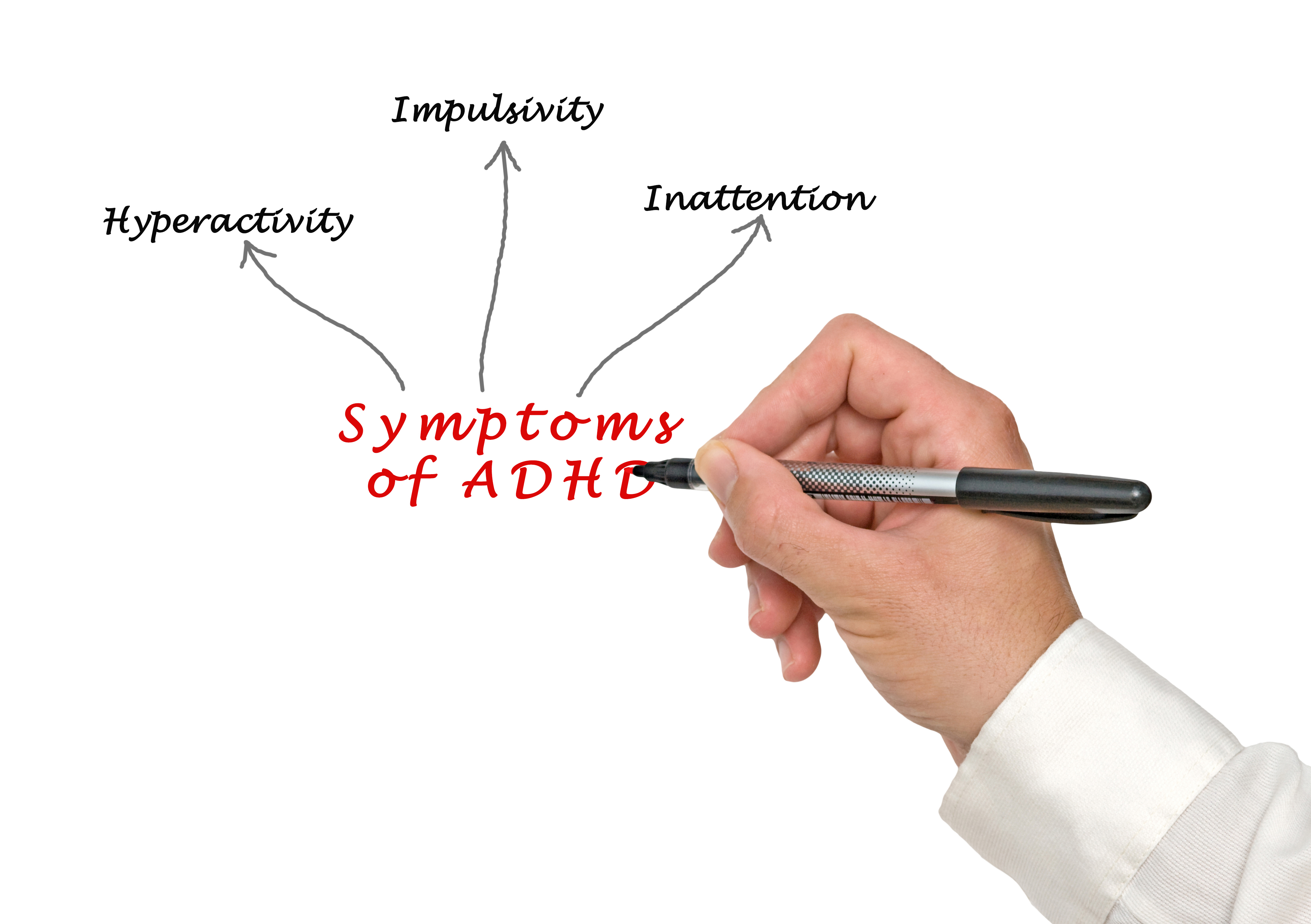
Identifying ADHD Signs at Various Stages of Life
Do you often feel like your mind is always racing? Thoughts jump from one thing to another, and it’s hard to finish what you start. You might feel distracted, lose interest quickly, or struggle to focus on important tasks or conversations.
You might recognize yourself in this and realize it is time to take control and better understand your mind. ADHD, which stands for Attention Deficit Hyperactivity Disorder, could be the reason. Many people do not know they have it, especially if symptoms appear later in life. Learning about ADHD can help you understand why your mind works differently and give you tools to manage it.
ADHD is not a flaw. It is simply a different way of thinking. People with ADHD are often very creative, full of energy, and come up with new ideas easily. Sometimes staying organized or focused is hard, but that does not make you less capable.
In fact, these traits can be a hidden advantage. Your energy and creativity can help you solve problems, think outside the box, and achieve things in ways others might not. With the right understanding, you can turn challenges into strengths.
By recognizing the signs of ADHD, you can learn more about yourself. You can discover ways to stay focused, manage distractions, and use your unique brain to your benefit, helping you feel supported and capable.
Knowing yourself and embracing your way of thinking can unlock your true potential. ADHD does not hold you back; it can be the key to finding your strengths and achieving more than you thought possible.
ADHD Signs in Kids Are More Than Just Hyperactivity
When people think of ADHD in children, they often imagine kids who cannot sit still But ADHD is much more than hyperactivity Children with ADHD often face challenges with attention, organization, and emotional regulation
A child with ADHD may be easily distracted by noises or movements around them even when they are doing homework or chores They might have difficulty following instructions or completing tasks jumping from one activity to another without finishing the first.
Everyday items like school assignments books or personal belongings can be misplaced and their emotional reactions may be strong such as frustration over losing a game or not getting their way
Parents and teachers may mistake these behaviors for laziness or lack of effort, but children with ADHD need tailored support and strategies that align with how their brains work. Recognizing this is key to helping them succeed.
Children with ADHD often have amazing creativity, problem-solving skills, and the ability to think outside the box. With the right guidance and tools, they can use their strengths to achieve incredible things.
Understanding ADHD in Children, Teens, and Adults
When people think of ADHD in children, they often imagine kids who cannot sit still, but ADHD is more than hyperactivity. Children with ADHD often face challenges with attention, organization, and emotional regulation.
A child with ADHD may be easily distracted by noise or movement around them, even while doing homework or chores. They might have difficulty following instructions or completing tasks, jumping from one activity to another without finishing the first.
Everyday items like school assignments, books, or personal belongings can be misplaced, and their emotional reactions may be strong, such as frustration over losing a game or not getting their way.
Parents and teachers may think these behaviors are laziness or a lack of effort. In reality, children with ADHD need extra support and strategies that match how their brains work. Understanding this difference is the first step in helping them succeed.
Children with ADHD often have amazing creativity, problem-solving skills, and the ability to think outside the box. With the right guidance and tools, they can use their strengths to achieve incredible things.
As children grow into teenagers and adults, some symptoms may change. The high energy and need for constant movement might subside, but other signs like disorganization, forgetfulness, and trouble staying focused can persist. Adults with ADHD often face challenges that make everyday tasks feel overwhelming.
For example, an adult with ADHD might struggle with time management, forget meetings, or miss deadlines even when they understand the importance of these tasks.
They may have trouble prioritizing what is important and keeping track of everything they need to do. While they might focus deeply on one task for a long period, other important tasks can be neglected. This can lead to frustration, anxiety, or guilt.
Many adults with ADHD achieve success in careers that value creativity and independence. Understanding how ADHD influences their work helps them thrive and stand out in their fields.
Their ability to think differently, problem-solve quickly, and adapt to changing situations often makes them stand out. The key is to understand how ADHD affects them and build systems that help them thrive.
Managing ADHD as a teen or adult involves accepting that your brain works differently and finding tools and strategies that suit your way of thinking.
This could include using reminders, setting clear routines, or working in environments that keep you engaged. Once you understand your strengths and challenges, you can turn ADHD into an advantage.
Why ADHD Symptoms Are Overlooked in Women
ADHD in women is often missed or misunderstood. While many people associate ADHD with hyperactive and impulsive behaviors, women with ADHD don’t always show these traits in obvious ways. In fact, ADHD in women often looks more like inattention, forgetfulness, and disorganization.
For example, women with ADHD might forget appointments, misplace things, or feel constantly overwhelmed by tasks like housework, work, and social responsibilities. They might get easily distracted in conversations or forget to follow through with commitments.
The pressure of juggling multiple tasks can lead to feelings of frustration and low self-esteem, as they try to meet high expectations in their personal and professional lives.
In some cases, women with ADHD might also experience emotional struggles, like anxiety or depression. These feelings can arise because they feel like they aren’t meeting the “perfect” standard set by society or by their own expectations.
But the good news is that once women understand they have ADHD, they can start to recognize it as part of how their brains work, rather than something wrong with them.
Women with ADHD often excel in creative fields, such as art, writing, and design, because they think differently and can bring fresh ideas to the table. They may also be highly adaptable and good at solving problems quickly.
Some common signs of ADHD in women include:
Trouble staying focused: They may zone out during conversations or feel distracted by their thoughts.
Chronic disorganization: Forgetting things like keys, appointments, or important tasks is common.
Emotional stress: Women with ADHD can feel overwhelmed by stress or emotions.
Perfectionism and self-doubt: They might set very high standards for themselves, only to feel disappointed when things don’t go as planned.
Recognizing ADHD in women is an important step to helping them feel understood and supported. Once women understand ADHD, they can start to build strategies that play to their strengths, giving them the confidence to succeed.
Why Understanding ADHD is the Key to Unlocking Your Potential
ADHD isn’t a disease or something to be “fixed.” It’s simply a different way your brain processes information. And this difference brings with it unique strengths and abilities.
People with ADHD often have exceptional creativity, the ability to think outside the box, and the drive to succeed. However, without the right support, ADHD can feel like an obstacle, holding you back from achieving your full potential.
Once you recognize how ADHD affects you, you can start to embrace it as part of who you are and use your brain's unique way of thinking to your advantage.
Imagine the freedom you’ll feel when you stop seeing ADHD as a negative and start seeing it as part of your genius. You’ll begin to appreciate how your mind works, and you’ll be able to create systems that help you succeed, instead of struggling against yourself.
Conclusion: Discover Your Hidden Genius with The Secret Genius Project
If you’ve read this and think that ADHD might be part of your story, it’s time to embrace it. The first step in unlocking your hidden genius is understanding ADHD and how it affects you. The Secret Genius Project is here to help you discover the tools and strategies that will allow you to live life on your own terms.
By learning to work with your ADHD, you can tap into your true potential. You have a brilliant mind that is different from others, and that difference is what will help you succeed. Embrace your unique strengths, and let The Secret Genius Project guide you toward unlocking the genius inside you.


