
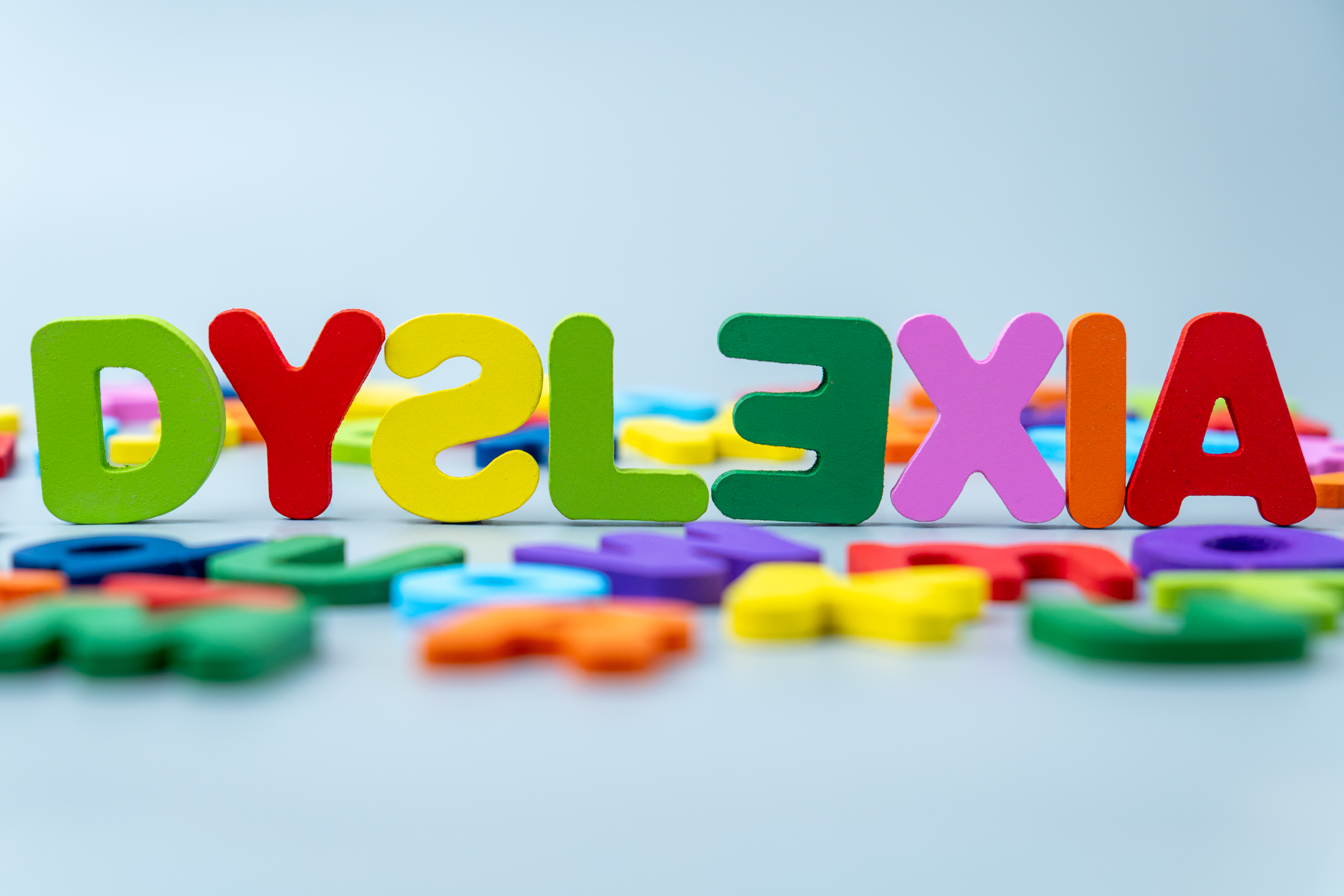
What Is Dyslexia?
What Is Dyslexia? A Professional Guide for Parents, Educators, and Caregivers
Dyslexia is one of the most commonly misunderstood learning differences in children. When a child struggles with reading, spelling, or writing, it is often mistakenly linked to a lack of effort or low ability.
In reality, many of these children are highly intelligent and capable, but they process written language in a different way.
Dyslexia is a neurodevelopmental learning difference that primarily affects reading accuracy, fluency, spelling, and written expression. It is not related to intelligence, motivation, or quality of education.
At The Secret Genius Project, we emphasize early understanding and informed support, as timely intervention can significantly improve both academic performance and emotional well-being.
Understanding Dyslexia
Dyslexia is a learning difference that affects how the brain understands written and spoken language. Children with dyslexia may find it hard to match sounds with letters, read words quickly, or spell correctly every time.
These difficulties happen even when they receive good teaching and have normal or above-average intelligence.
It is important to understand that dyslexia is not a vision problem and it is not caused by poor teaching. Research in brain science and education shows that dyslexia is linked to differences in how the brain processes language.
Many children with dyslexia demonstrate strong verbal reasoning, creativity, and problem-solving abilities, even while struggling with reading tasks.
Reputable organizations such as Understood.org describe dyslexia as a language-based learning difference that affects reading skills rather than intellectual capacity.
Common Misconceptions About Dyslexia
Dyslexia is frequently surrounded by misinformation, which can delay identification and support. A common misconception is that dyslexia reflects low intelligence; however, this is not supported by research or clinical observation.
Another misunderstanding is that children will naturally outgrow dyslexia over time. While improvement is possible with intervention, dyslexia is a lifelong condition that requires structured support strategies.
It is also incorrectly believed that dyslexia simply involves reversing letters. In reality, dyslexia is far more complex and relates to difficulties in phonological processing and language decoding. Additionally, it is not caused by poor teaching methods, although effective instruction can significantly improve outcomes.
Early Signs of Dyslexia in Children
Dyslexia often becomes noticeable during early literacy development. Children may show persistent difficulty in associating sounds with letters or blending sounds into words. Reading tends to be slow and effortful compared to peers, even with regular practice.
Spelling inconsistencies are also common, with children making repeated errors in familiar words. Some may struggle to recall sequences such as instructions, days of the week, or number patterns.
A noticeable reluctance to read aloud or participate in reading activities may also emerge, often due to reduced confidence rather than unwillingness.
These indicators are commonly referred to as signs of dyslexia and should be observed over time rather than in isolation.
Dyslexia vs Reading Delay: Key Differences
A reading delay means a child learns to read more slowly than expected, but usually improves with regular teaching and practice.
Dyslexia is different. It is a long-term learning difficulty that does not go away on its own and usually needs special support.
Children with dyslexia can often explain their ideas well when speaking, but they may have trouble reading words or writing their thoughts down.
This difference helps identify dyslexia as a learning disability rather than a general learning delay.
Impact of Dyslexia on Learning and Development
Dyslexia affects more than just reading. It can also make writing, spelling, remembering information, and working quickly more difficult.
As schoolwork becomes harder, children with dyslexia may feel frustrated because their test results and written work do not show what they really know and understand.
Over time, these difficulties can affect their confidence and willingness to participate in class. Without the right support, they may start to think they are not smart or capable, even though they usually have average or above-average intelligence.
Emotional and Psychological Impact
Dyslexia can affect a child’s feelings as well as their learning. Children may feel worried about reading, less confident in class, and may try to avoid activities that involve reading or writing.
Parents and caregivers can also feel concerned when their child works hard but does not seem to make enough progress. This can be confusing and frustrating for everyone involved.
That is why early identification and the right support are so important. They can help children stay engaged in learning and build confidence in their abilities.
At The Secret Genius Project, we help neurodivergent learners develop strong academic skills while also building confidence, resilience, and a positive attitude toward learning.
Why Dyslexia Is Often Missed
Dyslexia is often not noticed in the early years of school. Some children use good memory skills or strong speaking abilities to hide their reading difficulties for a while.
Because of this, the early signs of dyslexia may be missed. The difficulties often become clearer as schoolwork becomes more challenging and reading quickly and accurately becomes more important.
In some schools, limited access to assessment tools and specialist support can also make it harder to identify dyslexia early.
Supporting a Child with Dyslexia at Home and School
Supporting a child with dyslexia starts with being patient, consistent, and using the right learning strategies. Reading together regularly in a relaxed and supportive environment can help improve language skills without adding pressure.
Audiobooks and guided reading tools can also be helpful because they allow children to understand stories and information without struggling to read every word.
Clear and simple instructions are important. Breaking tasks into smaller steps can make learning feel less overwhelming. Many experts also recommend multi-sensory learning, which uses seeing, listening, speaking, and hands-on activities together.
It is also important to encourage children by focusing on their effort, improvement, and participation, not just whether their answers are correct. Positive feedback helps build confidence and motivation.
Role of Occupational Therapy and Educational Support
Occupational therapy can help children with dyslexia improve skills such as handwriting, fine motor control, and managing sensory challenges. These improvements can make writing easier and help children perform better in the classroom.
Educational psychologists are important in assessing and identifying dyslexia. They help understand a child’s specific learning strengths and challenges and recommend support that matches their needs.
Structured literacy programs that teach reading through phonics and multi-sensory activities are widely used and have been shown to help children with dyslexia develop stronger reading and writing skills.
When to Look for Professional Assessment
A professional assessment should be considered if a child continues to struggle with reading and writing even after receiving regular teaching and practice.
Signs that may suggest the need for an evaluation include ongoing difficulties with reading words, spelling, reading smoothly, or a noticeable difference between how well a child speaks and how well they read or write.
Getting an early diagnosis can help children receive the right support as soon as possible. Early intervention can improve learning, build confidence, and lead to better outcomes at school.
Conclusion
Dyslexia does not mean a child is less intelligent or not trying hard enough. It is a specific learning difference that affects how a person reads and writes, and it requires the right support and understanding.
When dyslexia is identified early and appropriate help is provided, children can make strong progress in both school and everyday life.
At The Secret Genius Project, we support families, teachers, and caregivers in understanding neurodivergent learners. With the right guidance and support, children can build confidence, develop their strengths, and reach their full potential.


