
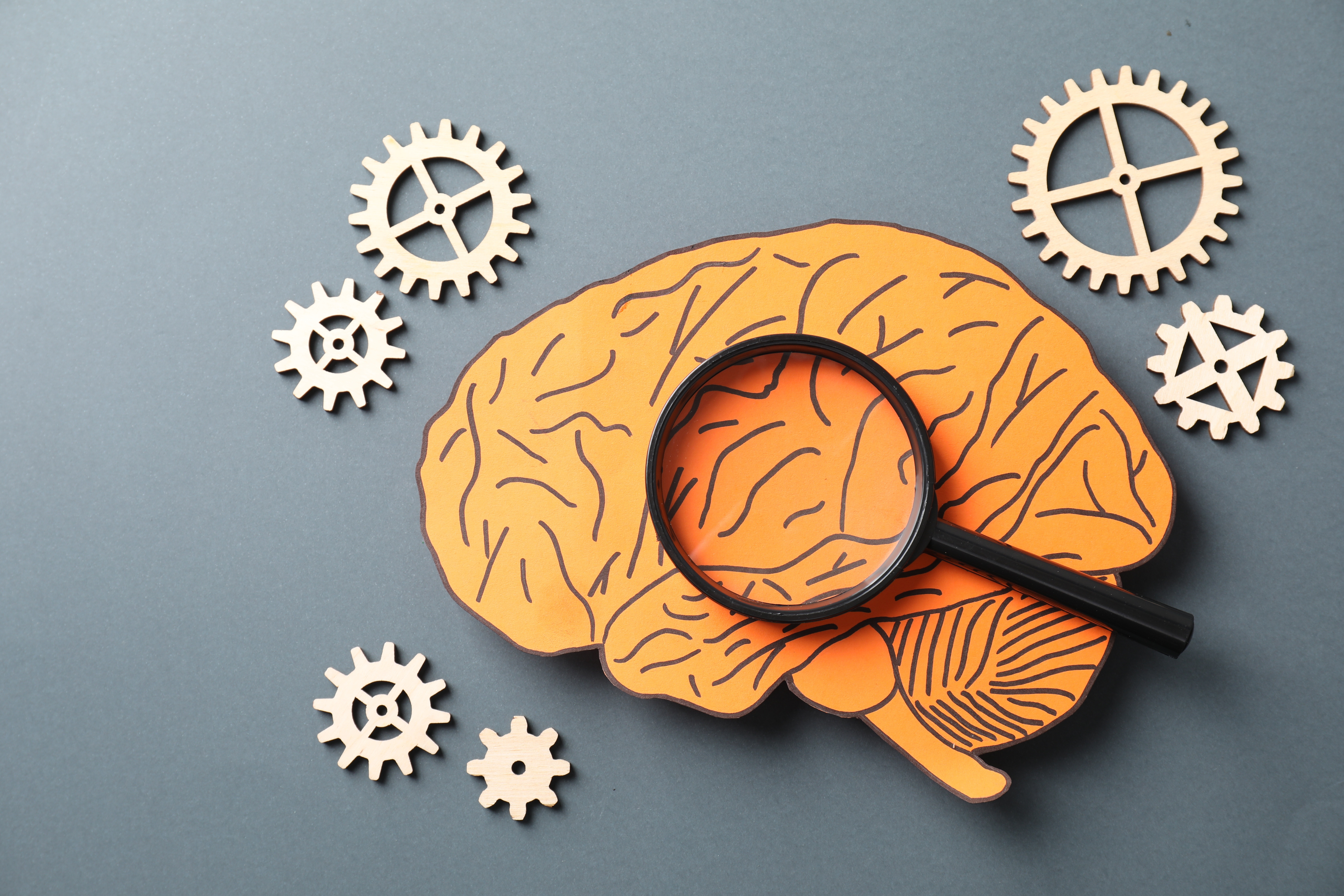
What Is Working Memory and How to Improve It
Have you ever gone into a room and forgotten why you were there? Or tried to remember numbers in a math problem just after the teacher said them? These small moments show a hidden part of your mind called working memory.
Working memory is the part of your brain that holds information for a short time so you can use it. It helps you think, make choices, and connect ideas. Understanding it can help you get to know yourself better and develop your skills.
You can think of working memory like a small note in your brain. It keeps new information long enough for you to use it. You might not remember everything later, and that is fine.
At The Secret Genius Project, we see that many people do not realize how important working memory is. It is not just about remembering facts. It helps you think clearly, make decisions, and see how ideas fit together.
Define Working Memory
Working memory is a cognitive system that helps you keep information in your mind for a short time and use it. Without working memory, even simple tasks can feel hard. For example, in math class, a child might need to see numbers in their head.
If the teacher asks them to add 21 and 13 and then subtract 6, their working memory holds the numbers while they do the math. Even if they forget the numbers later, working memory has helped them finish the task.
Working memory also helps with long-term learning. If it is weak, information can be stored in a messy way or not saved at all.
Sometimes what looks like forgetfulness is really an attention problem because the brain never stored the information properly. Knowing this can help you learn better and grow more.
Examples of Working Memory in Daily Life
Many people with ADHD or different ways of learning have trouble with working memory. Understanding these examples can help you or someone you care about see where support is needed.
Doing mental math: Remembering numbers and steps can be hard. You might remember the numbers but forget what to do with them.
Following instructions: Directions, recipes, or driving steps can be confusing if you do not remember them in the right order.
Using information later: The brain may not keep information properly, so trying to remember it later can feel frustrating or confusing.
These problems can make people feel less confident and less motivated. They can also make daily tasks harder. But they also show a chance to improve. With the right strategies, you can strengthen your working memory and discover hidden potential.
ADHD and Working Memory
ADHD and working memory are closely connected. Many people with ADHD find it hard to keep information in their minds long enough to finish tasks. This does not mean they are not smart. It just means their working memory works differently.
Knowing this can change how you feel. Instead of getting frustrated or stressed, you can learn ways to work with how your brain works naturally.
Using visual reminders, breaking information into small parts, and writing notes are not just tricks. They help you focus, feel less stressed, and use your strengths.
At The Secret Genius Project, we believe that understanding how your mind works is the first step to using it fully. When you know how your working memory works, you can learn, adapt, and grow in ways you may not have thought were possible.
How Educators and Parents Can Help
Children, teachers, and parents can help a lot with working memory. Using simple strategies can make tasks easier and less stressful.
Strategy instruction: Children can learn ways to remember and use information. This can be done by taking notes or breaking tasks into small steps.
Visual and verbal cues: Repeating instructions, showing steps with pictures, or guiding children slowly can help them remember better.
Short-term exercises: Games, memory challenges, or simple routines can make their focus and memory stronger over time.
These methods do more than help children do well in school. They also give children confidence, help them feel strong, and teach them to take control of their own learning.
Working Memory Boosters You Can Try
There are simple ways to strengthen working memory in children and adults.
Break big tasks into smaller, easier-to-handle steps.
Repeat information or say it out loud to help remember it better.
Practice paying attention with mindfulness exercises to improve focus.
Play games or do puzzles that make your short-term memory work.
Keep your space organized and free from distractions.
Doing these small things regularly helps your brain get stronger. It makes it easier to handle larger tasks, stay focused, and think creatively.
Finding Your Inner Genius
Working memory is not just about thinking. It also affects your feelings and your daily life. When your memory does not work well, it can feel upsetting or hard.
But when you learn how it works and practice it, you can find hidden abilities inside yourself. At The Secret Genius Project, we help people explore these abilities.
Improving working memory can give you more focus and confidence, and help you complete tasks more easily.
You begin to see patterns, connect ideas, and find creative solutions you did not know you had. Everyone has times when they feel stuck, forgetful, or confused.
These moments are not just problems. There are chances to find your hidden genius, use your own way of thinking, and grow stronger.
Take Action Today
Your working memory is more than a part of your brain. It is a way to understand yourself, grow your skills, and reach your full potential. Whether you are helping a child with ADHD or trying to improve your own focus, every small step toward strengthening your memory is a step toward feeling more capable.
Visit The Secret Genius Project to learn simple strategies, exercises, and tips that can help you find your hidden abilities. Your mind can do more than you think, and now is the time to start using it.


